
Brandon W. Mosley · Design Leader

Role UI/UX Designer
Partners Client · Product · Front-end Engineering
Deliverables User Stories · Sitemap · Wireframes · Design System · High-fidelity
Tools Axure · Sketch · Illustrator
Timeframe 3 months
Company GeekHive
Researchers and manufacturers needed a better way to ship various critical biopharmaceutical products so they can recruit and retain qualified patients for their studies and innovations. However, busy operations managers don’t have time to navigate complex shipping logistics regulations and restrictions.
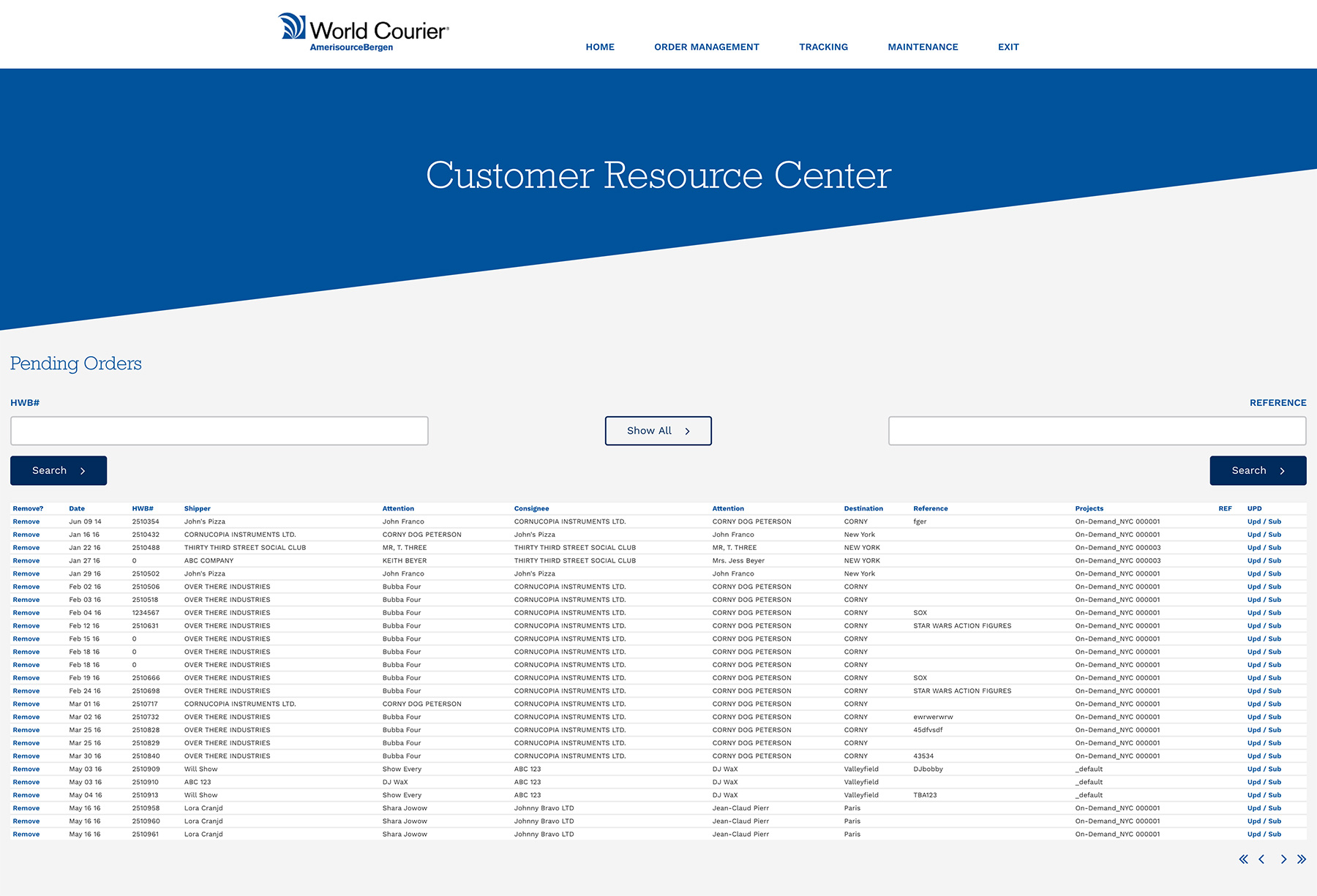

The platform didn't match how busy users worked
Operations managers navigating complex shipping regulations needed a fast, guided experience but were slowed down by a cumbersome and lengthy online process.
Order history offered data but no insight
Users could see past orders but couldn't effectively spot patterns or make fast decisions, leaving this dataset underutilized.
Placing an order meant picking up the phone
The shipping ordering process wasn't self-service — customers had to rely on phone and email to place orders, adding unnecessary time and friction to an already complex logistics workflow.

Increase active user growth
Increase platform engagement and drive business growth. Increase the number of active users, reduce abandoned or canceled orders, and encourage repeat customers.
Enhance order history reporting
Help users spot patterns and make better decisions faster by improving the value and display of ordering history data.
Automate shipping orders
Improve operational efficiency by designing a customer service platform that automates the shipping ordering process, helping users save time, minimize manual tasks, and reduce phone and email order volume.
Our team met with the client on-site to understand World Courier’s business goals and define user needs and user pain points. We captured user pain points and motivators in user stories which helped us determine the project scope.
Users' primary goal was to quickly and efficiently place orders for shipping with a brand they know and trust.
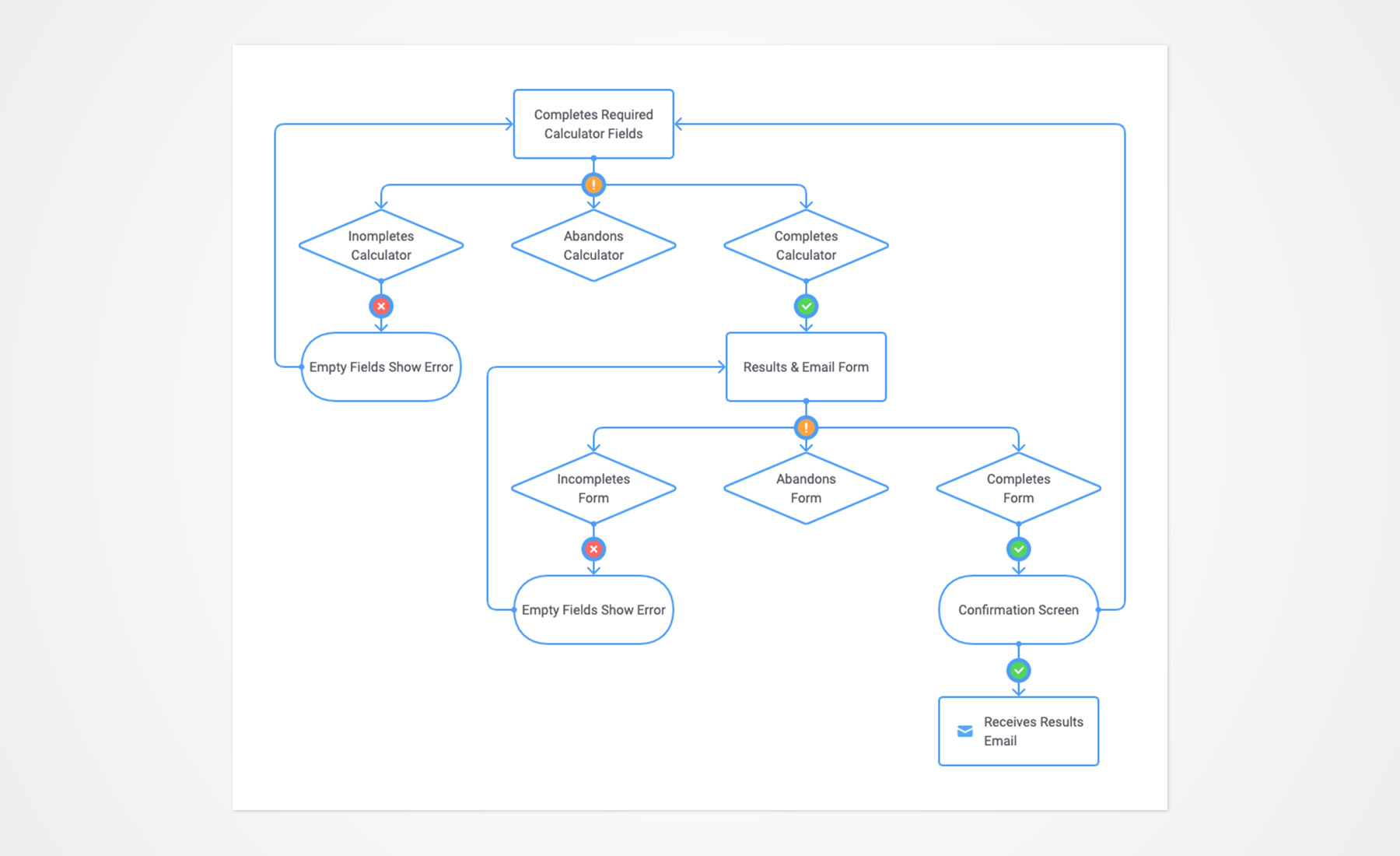
I led process flow exercises to surface platform parameters and edge cases early — ensuring design decisions were grounded in both user need and system reality before advancing to high-fidelity work.
Next, wireframes mapped the navigation architecture, defined key user interactions, and established how business customers would search, filter, and manage reporting screens.

I built a design system rooted in World Courier's brand identity, translating their visual language into a modern component library designed for scale. The system introduced a refined typographic hierarchy and a purposeful color palette balanced with digital accessibility standards — all designed for a complex, data-dense product.
Purpose-built components addressed the specific demands of the experience:


I streamlined the online ordering experience by simplifying key flows, reducing friction, and making it easier for users to complete tasks efficiently. I also delivered a responsive interface that expanded mobile accessibility and helped grow mobile engagement.
To improve usability and consistency, I introduced a design system that standardized micro-interactions and gave users better control over tasks and reporting. Together, these improvements created a more efficient, scalable, and user-friendly digital experience.
↑$750K
Annual company revenue increase from growth in online usage and repeat orders.
↑16%
Growth in mobile users, averaging about 3,000 monthly sign-ins as indicated by analytcs.
↓22 mins
Shortened average time to complete an online order — start to finish — indicated by task metrics.

Design must be included in estimation
Excluding design from estimation risks budget overruns. Design input is essential for realistic planning.
Design thinking requires validation
Full user testing is essential to confirm the experience is intuitive and addresses actual user needs.
User stories drive empathy
User stories clarified task nuances and intent, enabling more effective flow design.


